When Portuguese explorer Vasco da Gama arrived on the shores of Kerala in 1498, he was not simply discovering a new sea route. He was arriving at the heart of one of the world’s most valuable spice economies. Among all the treasures of the Malabar Coast, black pepper stood above the rest.
Known globally as the “King of Spices,” Kerala’s black pepper transformed international trade, influenced empires, shaped maritime history, and connected India with Europe, Arabia, China, and later the Americas. For centuries, pepper exports from Kerala became one of the driving forces behind global commerce.
Even today, Kerala remains internationally respected for producing some of the world’s finest black pepper.
Long before European explorers reached India, Kerala’s spice trade was already thriving. The Malabar Coast had established trade relationships with:
Black pepper from Kerala was highly valued because of its:
Ancient Roman records mention pepper imports from India, and pepper was once so valuable in Europe that it was used as a form of currency among wealthy merchants and royal families.
Arab traders dominated the spice trade routes for centuries, transporting Kerala pepper across the Middle East and into European markets through overland and maritime networks.
The arrival of Vasco da Gama in Kerala marked a turning point in global trade history.
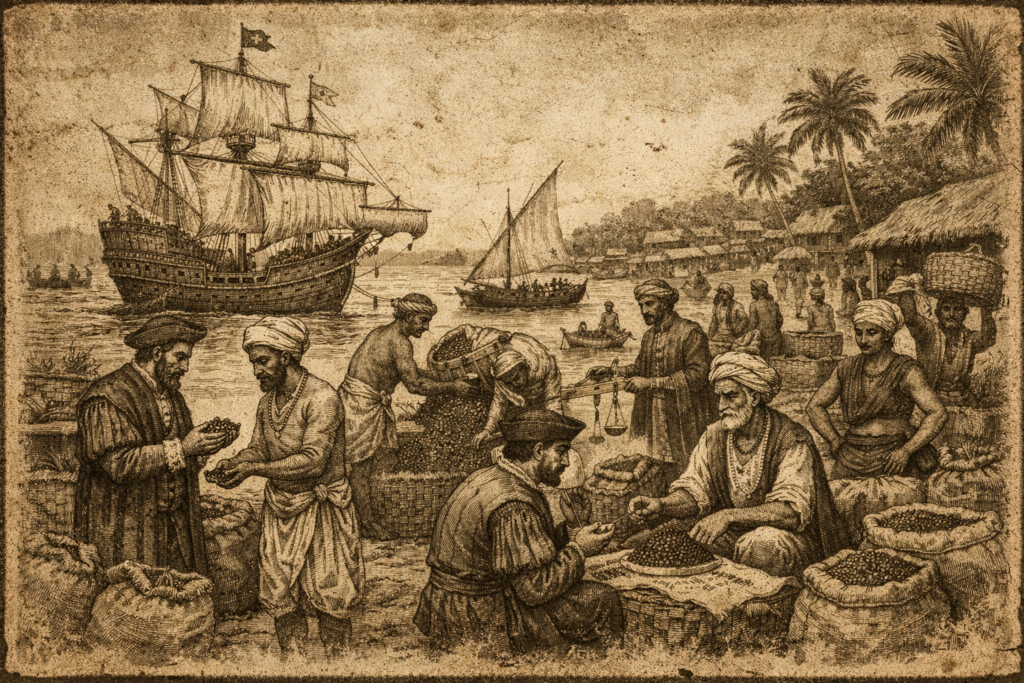
Portugal had been searching for a direct sea route to India in order to bypass Arab and Venetian traders who controlled the spice trade into Europe. When Vasco da Gama reached the port city of Calicut (modern-day Kozhikode), Europe finally gained direct maritime access to India’s spice markets.
At the centre of this trade was black pepper.
The Portuguese quickly realised the enormous economic value of Malabar pepper and began establishing trading relationships and colonial influence along Kerala’s coastline.
Pepper became one of the primary reasons European powers competed fiercely for control over Indian Ocean trade routes.
Following 1498, the Portuguese established trading posts and forts across parts of Kerala’s coast.
Their primary objective was clear:
Ships loaded with black pepper regularly sailed from Kerala to Lisbon, where the spice was redistributed across Europe.
At the time, pepper was considered a luxury product in Europe. Wealthy households used it not only for flavour but also as a symbol of status and prosperity.
The profits generated from pepper exports were enormous. The spice trade became one of the foundations of Portuguese maritime wealth during the 16th century.
As global demand for spices continued to rise, other European powers entered the competition.
During the 17th century, the Dutch East India Company challenged Portuguese control over Kerala’s spice trade. The Dutch focused heavily on securing pepper supplies through trade agreements with local rulers and merchants.
Later, the British East India Company expanded its influence across India and gradually took control over major trading networks, including pepper exports from Kerala.
Throughout these periods, black pepper remained one of Kerala’s most important export commodities.
European powers understood that controlling pepper meant controlling one of the world’s most profitable trade industries.
Kerala’s black pepper became highly sought after across:
Several factors contributed to its international popularity:
In colder European climates, spices were especially valued because they enhanced preserved foods during long winters.
Pepper also became deeply integrated into European cuisine, trade systems, and economic structures.
While global empires profited from the spice trade, the foundation of the industry remained Kerala’s farming communities.
Pepper cultivation spread across regions including:
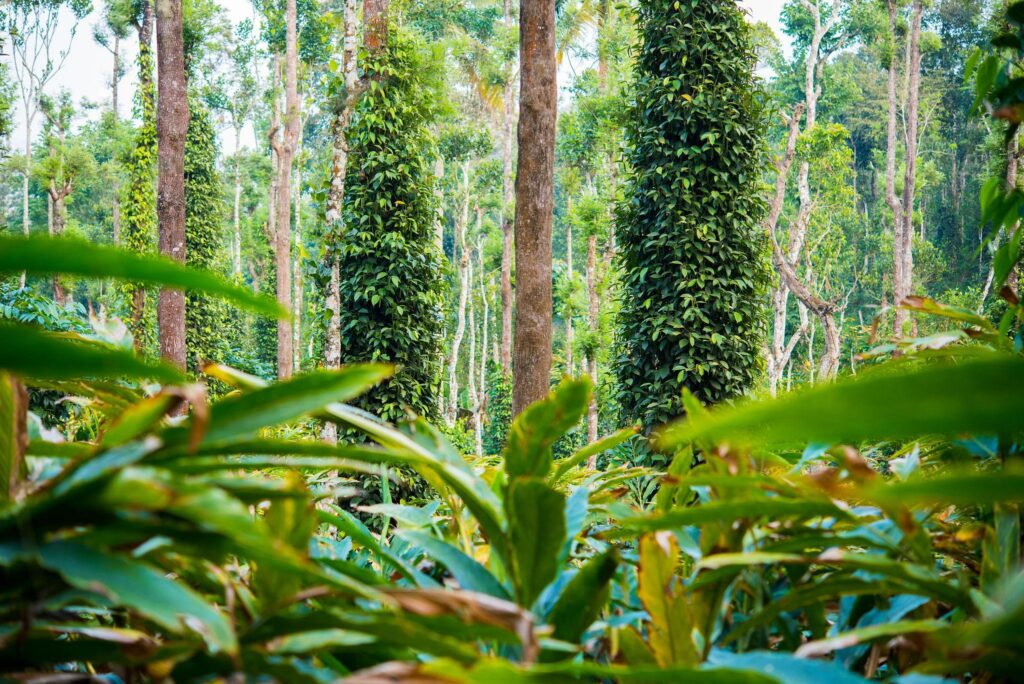
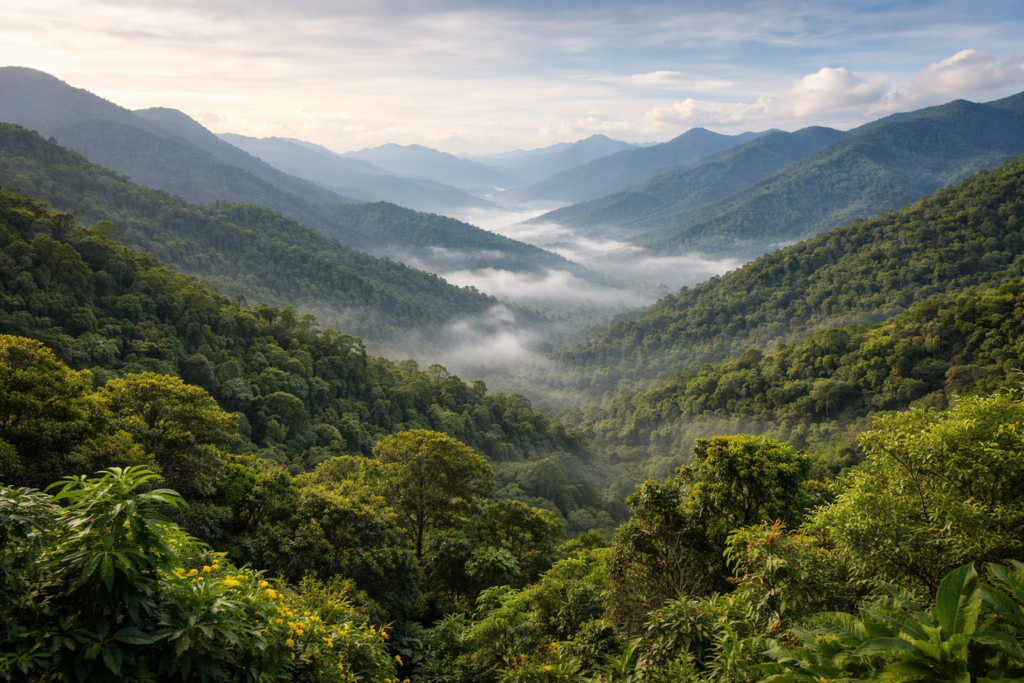
Farmers cultivated pepper vines along the slopes of the Western Ghats, using traditional agricultural methods passed down through generations.
Local merchants and trading communities played a major role in collecting, transporting, and exporting pepper through Kerala’s ports.
Historic port cities such as:
became internationally recognised centres of spice commerce.
During the height of the spice trade, black pepper was often referred to as “Black Gold.”
Its value was so high that:
The European Age of Exploration itself was heavily driven by the desire to access spices directly from India.
In many ways, Kerala’s pepper helped shape the modern global economy.
Following India’s independence, Kerala continued to remain an important centre for spice cultivation and export.
Today, Indian black pepper is exported worldwide for:
Modern export systems now include:
Despite technological advancements, the core appeal of Kerala pepper remains unchanged:
its bold flavour, rich aroma, and heritage.
Even in today’s competitive global spice market, Kerala black pepper maintains a premium reputation.
Its distinct characteristics include:
Chefs, spice traders, and food enthusiasts worldwide continue to value authentic Malabar pepper for its superior quality.
The pepper trade shaped not only commerce but also Kerala’s culture and identity.
The centuries of global interaction brought:
Kerala’s ports became crossroads of global civilisation where traders from different nations exchanged goods, languages, and ideas.
Even today, the spice heritage remains deeply connected to Kerala’s image worldwide.
As global consumers increasingly seek:
Kerala’s pepper industry continues to evolve.
Modern brands are now combining:
to bring authentic Malabar black pepper to international markets.
The story that began centuries ago still continues today.
Since 1498, Kerala’s black pepper has travelled across oceans, influenced empires, and shaped world trade. What began as a regional agricultural product became one of history’s most valuable global commodities.
From ancient merchants and colonial traders to modern gourmet kitchens, Kerala pepper has remained a symbol of quality, heritage, and craftsmanship.
Its legacy is not only written in history books but also carried in every peppercorn exported from the Malabar Coast to the world.