Across the global spice industry, few regions carry the same reputation for black pepper as the Western Ghats of India. Stretching along the southwestern coast through Kerala and neighbouring regions, the Western Ghats are home to some of the world’s most celebrated pepper-growing landscapes.
For centuries, pepper cultivated in these mist-covered hills has been recognised for its bold flavour, strong aroma, rich oil content, and exceptional quality. From ancient spice traders to modern gourmet chefs, black pepper from the Western Ghats continues to command premium value in international markets.
But what exactly makes this pepper so special?
The answer lies in a rare combination of geography, climate, biodiversity, traditional farming practices, and generations of agricultural expertise.
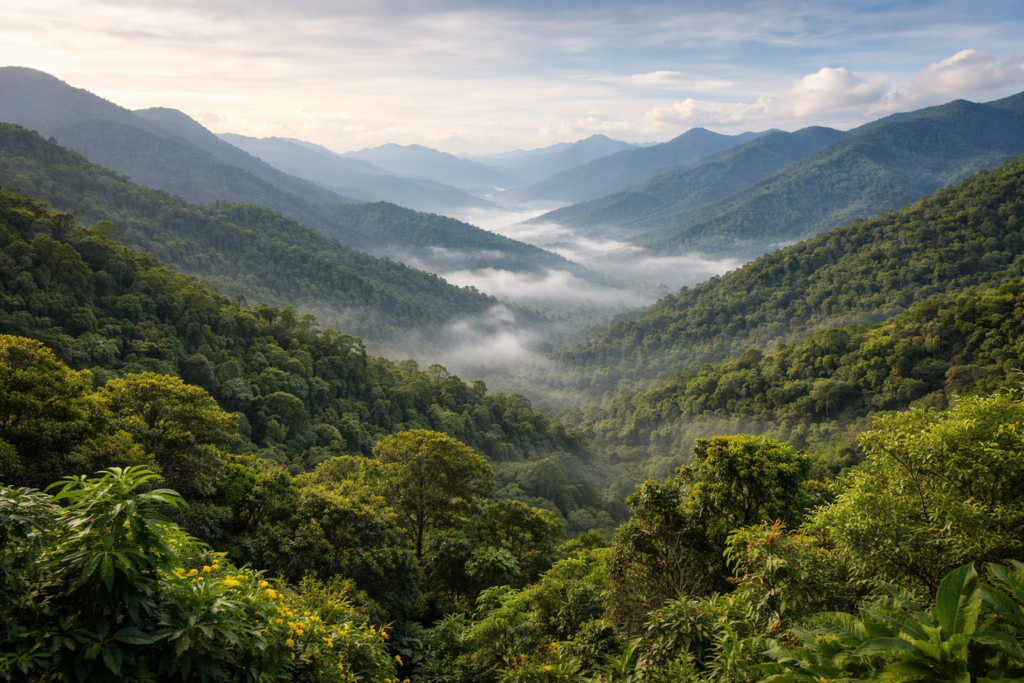
The Western Ghats are a mountain range running parallel to India’s western coastline. Recognised as a UNESCO World Heritage region and one of the world’s major biodiversity hotspots, these mountains create an ideal environment for spice cultivation.
The region experiences:
These natural conditions are extremely important for growing high-quality black pepper.
Unlike pepper grown in harsher or heavily industrialised farming regions, pepper vines in the Western Ghats benefit from a naturally balanced ecosystem that supports healthy growth and flavour development.
Black pepper thrives best in warm, humid tropical climates with consistent rainfall and shaded growing conditions. The Western Ghats provide exactly that.
The annual monsoon rains nourish the soil while maintaining the moisture levels pepper vines require. The surrounding forests help regulate temperature and humidity naturally.
This environment allows pepper berries to mature slowly and develop:
Climate plays a major role in the final quality of any agricultural product, and the Western Ghats provide some of the most favourable pepper-growing conditions in the world.
The soil found across the Western Ghats is highly fertile and rich in organic matter.
Decades of forest vegetation, natural decomposition, and mineral-rich terrain contribute to healthy agricultural conditions. Pepper vines absorb nutrients from this ecosystem over long growth cycles, helping produce peppercorns with greater intensity and flavour depth.
Premium pepper from the region is often recognised for:
The quality of the soil directly influences the quality of the spice.
One of the biggest reasons Western Ghats pepper remains premium is the continued use of traditional cultivation practices.
Many farmers in Kerala and nearby regions still grow pepper using methods passed down through generations.
Unlike highly industrialised farming systems, traditional pepper cultivation often involves:
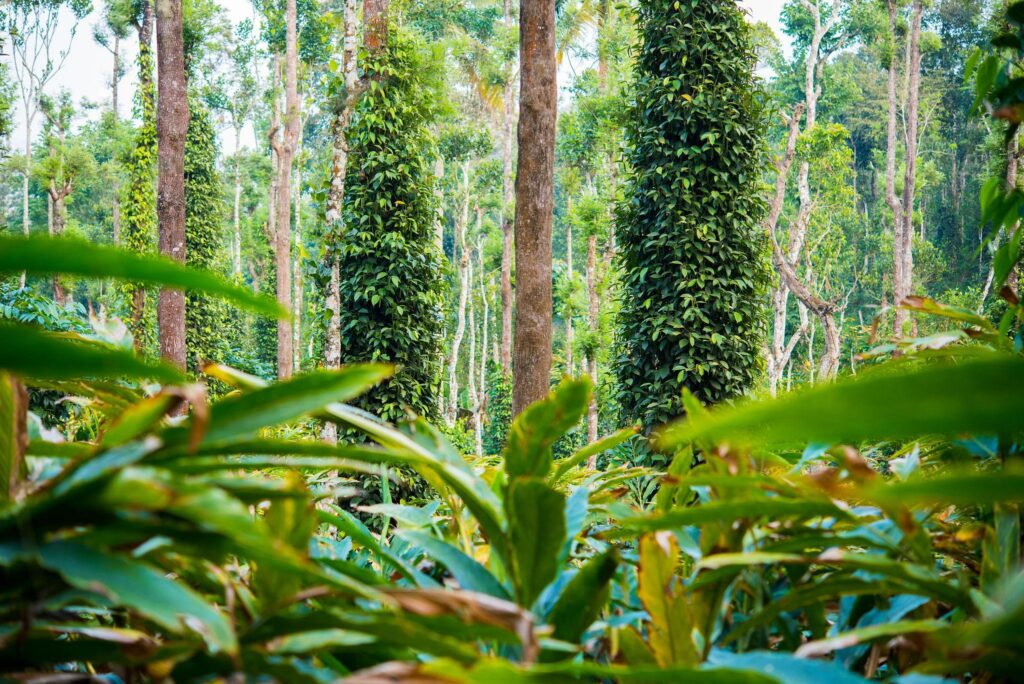
Pepper vines are commonly grown alongside support trees such as silver oak, areca nut, or coconut trees. This traditional growing method creates healthier ecosystems and allows the pepper to mature naturally.
Manual harvesting also helps ensure that only properly matured pepper berries are selected.
Fast agricultural production often sacrifices flavour for quantity. Premium pepper from the Western Ghats benefits from slower, more natural growth cycles.
The combination of:
allows pepper berries to develop gradually over time.
This slow maturation process contributes to:
The result is pepper that feels more vibrant, fresh, and complex compared to lower-grade commercial varieties.
One of the defining qualities of premium black pepper is its essential oil concentration.
Pepper from the Western Ghats is widely valued because of its naturally high oil content, which contributes to:
When freshly crushed or ground, high-quality pepper releases intense aromatic oils that are immediately noticeable.
This is one reason why gourmet chefs and spice experts often prefer whole peppercorns sourced from Kerala and the Western Ghats.
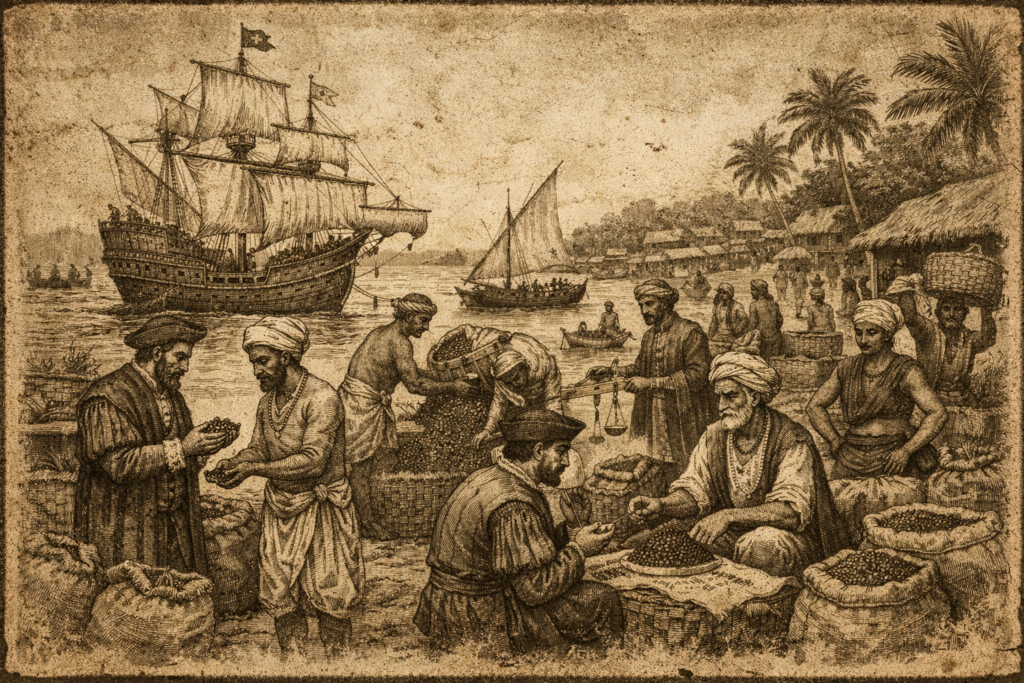
The premium reputation of Western Ghats pepper is not new.
For thousands of years, traders from:
travelled to India’s southwestern coast specifically to source spices from this region.
Historically, black pepper from the Malabar Coast became so valuable that it was referred to as “Black Gold.”
The demand for this spice shaped:
Even today, authentic Malabar pepper continues to carry historical prestige in international markets.
The post-harvest process is another important reason for the premium quality of Western Ghats pepper.
After harvesting, pepper berries are:
Sun drying helps preserve the pepper’s natural oils while developing the dark wrinkled outer layer associated with black pepper.
Careful drying is essential because improper processing can reduce aroma, flavour, and shelf life.
Traditional drying techniques used in Kerala continue to contribute significantly to product quality.
Professional chefs often look for ingredients that deliver depth, freshness, and complexity.
Premium pepper from the Western Ghats is widely used in:
Its flavour profile is often described as:
Freshly cracked Malabar pepper is especially prized because of its strong fragrance and natural heat.
Traditional pepper cultivation in the Western Ghats often supports biodiversity and mixed agriculture systems.
Pepper is commonly grown alongside:
These mixed farming systems can help:
As global consumers become more conscious about sourcing and sustainability, naturally cultivated spices from biodiversity-rich regions are gaining greater importance.
The easiest way to understand the premium quality of Western Ghats pepper is through taste and aroma.
Compared to lower-grade pepper, authentic premium pepper from this region typically offers:
Whole peppercorns remain aromatic for long periods when stored correctly, making them highly valued in both professional and home kitchens.
Black pepper from the Western Ghats is considered premium because nature, climate, geography, tradition, and craftsmanship come together in one extraordinary region.
The rich mountain soil, tropical rains, biodiversity, traditional farming methods, and careful processing all contribute to producing pepper with exceptional flavour and aroma.
For centuries, the world has recognised the unmatched quality of pepper grown in Kerala’s spice-rich hills. Today, that legacy continues as Western Ghats black pepper remains one of the most respected and sought-after spices in global cuisine.